
Disclosure: Some links in this post are affiliate links, which means I may earn a commission if you sign up — at no extra cost to you.
Hey, it’s Scott! 👋
If you’ve been stressing about how to drive traffic in 2026 — especially after hearing “SEO is dead” or that Google can’t be trusted anymore — you’re not the only one.
I’ve watched traffic evolve since 2012: the easy SEO era, the algorithm shakeups, the AI content explosion, and now AI answers changing how people click. I earned my first commission in 2013 and went on to generate over $100,000 from a single affiliate program — and I learned the traffic lessons the hard way, including relying on one source and getting burned.
So this guide isn’t theory. It’s the real-world roadmap I wish beginners had when everything started changing.
If you’re brand new and still learning the fundamentals, start with my complete affiliate marketing beginner’s guide first. Otherwise, let’s break this down simply and honestly.
What’s In This Post
What Is Traffic Generation In 2026?

For years, the common advice was simple: write blog posts, rank in search, earn money.
And for a long time, it worked.
But traffic generation in 2026 works differently because attention is spread out.
People discover ideas inside video feeds, communities, newsletters, and social apps — not only inside search results.
Here’s the most important update: in 2026, “traffic” isn’t one source. It’s an ecosystem.
Search compounds slowly over time. Short-form creates fast discovery. Communities build trust. Email creates repeat visitors you control.
The core play hasn’t changed, though: create content that’s genuinely helpful and written for humans first.
That’s straight from Google’s own “helpful, people-first content” guidance — and it’s the standard every other traffic source rewards too.
Why Google Alone Won’t Cut It Anymore

Real talk: if you’re relying on Google search as your only source of traffic in 2026, you’re going to be disappointed.
Here’s what’s changed:
AI answers reduce clicks-AI Overviews were introduced in 2023, but webmasters didn’t feel the full sting until early 2024.
For simple questions, people get answers without ever visiting your site
Rankings shift after updates- even when your content is solid
Competition is higher — especially on broad keywords
Discovery happens everywhere — not in one place
That doesn’t mean search is useless.
It means search evolved — and your strategy has to evolve with it.
I learned this one the hard way.
I’ve relied on a single traffic source multiple times over the years, and it always came back to bite me, forcing me to start over.
Ever heard “don’t put all your eggs in one basket”? In 2026, that’s not advice — it’s survival.
The fix is a simple visibility stack: one home base (your website, where conversions happen), one discovery channel (short-form or social, where attention starts), and one trust channel (communities or email, where belief builds).
You don’t need ten traffic sources. You need more than one, so you’re never stuck.
The 5 Traffic Sources That Actually Work In 2026

You don’t need all of these.
You need to understand them so you can choose your stack.
1) Search (SEO) — still the base. Search is the long-term compounding engine. It’s slower, but it builds a foundation that grows while you build everything else. New sites need a ramp-up period before search traffic becomes steady, so treat SEO as planting, not a quick win. One of the best free resources for the fundamentals is Moz’s Beginner’s Guide to SEO.
2) Short-form video — the engine that feeds your site. Reels and Shorts get the point across in under 90 seconds. Think of them as mini advertisements for your website, like TV ads used to be. Clear, helpful, curiosity-sparking — and pointing to your link in bio. Even TikTok, if that’s your lane: learning how to leverage TikTok for website traffic is the same skill as every other short-form platform, just with a faster feed.
3) Social media — the distribution machine. One short video previewing your pillar content can be distributed to 5 or 6 platforms at once, each with a different angle. Instead of playing the waiting game with Google, you gain instant reach while your SEO ages.
4) Communities — the modern-day forums. Trust builds fastest where people already have questions. Answer first, link second. (Full breakdown in section 5.)
5) Email — the traffic source you own. Not flashy, but it’s the simplest way to turn one visitor into repeat visitors without depending on algorithms. A basic “get my weekly beginner tips” opt-in in 2–3 places is all you need to start. Platforms are rented attention. Your site plus email is owned attention.
Best Social Media Platforms For Traffic In 2026
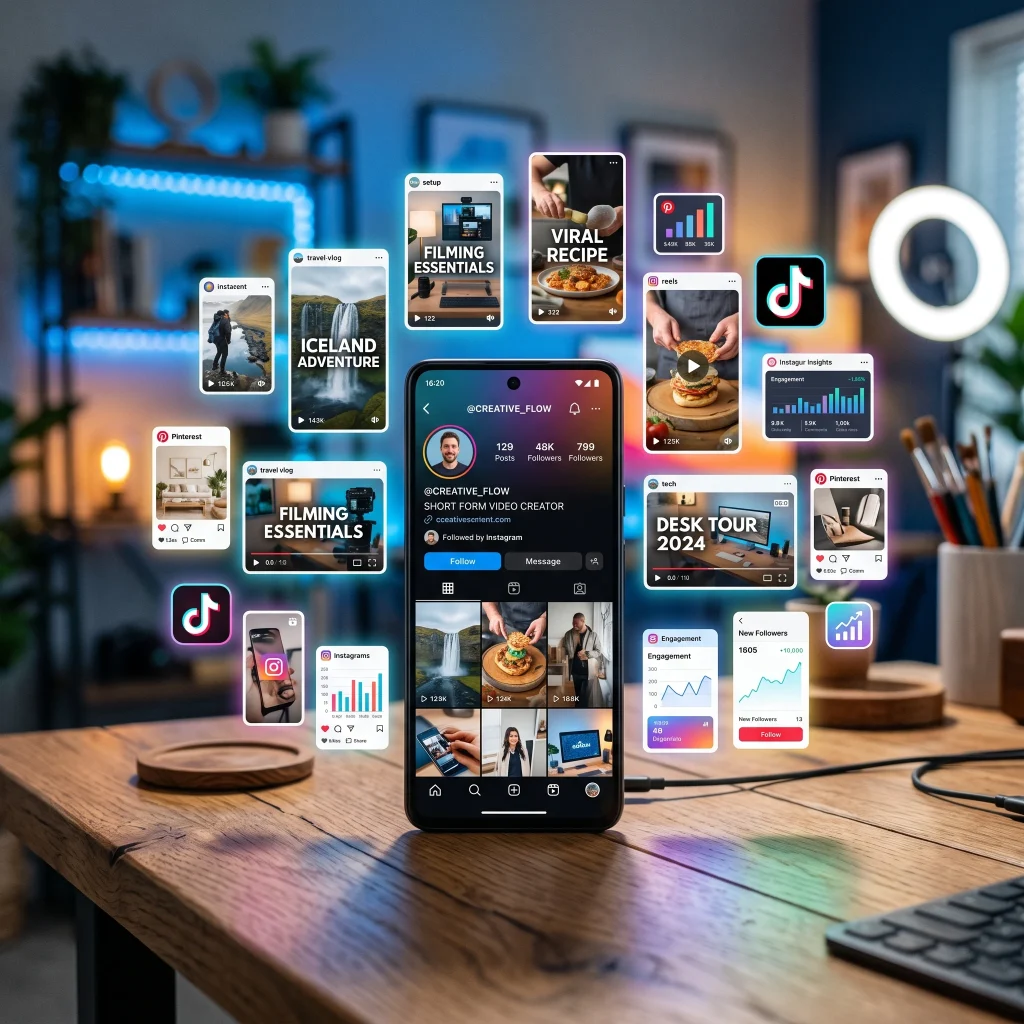
The goal isn’t to be everywhere. It’s to pick one platform that matches your style, run it consistently for 30 days, and use it to feed one clear home base.
And here’s a rule I follow that most beginners miss: match the content to the platform.
If it’s a video platform, create video-based content promoting whatever you’re sharing.
If it’s an image-sharing platform, create image-based content.
A text platform? Threads and short posts.
Platforms reward their native format — a pin on Pinterest, a Short on YouTube, a Reel on Instagram — because that’s what the algorithm is built to spread.
Post the wrong format, and you’re invisible.
Post native, and the platform works with you instead of against you.
Same message, different wrapper, every time.
YouTube Shorts
Fast reach + long-term discoverability (YouTube acts like search outside Google). Beginner move: 3–5 Shorts a week answering beginner questions, home base link in the description.
Evergreen clicks that compound over time — it’s a visual search engine, perfect while your SEO foundation builds. Beginner move: 3–5 pins per post, linked to your pillar and spokes.
Instagram Reels
Visibility + relationship building. Reels for reach, Stories for trust, Highlights pointing to your pillar post. Rewards consistency.
TikTok
Fastest new-account discovery when hooks are strong. Simple “problem → fix” videos, one clear point each, no over-editing.
Warm audiences + repeat traffic through Pages and Groups. Post value natively first; share your link only when it’s the obvious next step.
X (Twitter)
Networking + quick distribution. Short actionable threads with your best link pinned.
My pick for beginners: start with Pinterest and sprinkle in YouTube Shorts for the most beginner-friendly evergreen combo. Want speed and you’re comfortable on camera? Instagram. Prefer conversation? Facebook. For me, I’m rolling with my core 4: Facebook, Instagram, Pinterest, and X — and no extra platforms until those are managed.
Want The Training Behind This Whole Strategy?
Everything in this guide — the multi-source stack, the platform playbooks, the weekly rhythm — comes from what I’ve learned inside Wealthy Affiliate since 2012. I broke the whole platform down honestly, costs and catches included.
Best Communities For Traffic Beyond Google

Communities are the fastest trust-first channel, because you show up where people already have questions.
The goal isn’t to spam links — it’s to become the helpful person people want to click on.
Reddit– niche questions and long-tail problems. Find subreddits where beginners ask the same things weekly
Quora– evergreen Q&A. Answer clearly; link only when it genuinely expands the answer
Facebook Groups- high volume, fast feedback. Become a familiar helpful name, not a drive-by link dropper
Discord– relationship traffic in niches like gaming, fitness, and creators. Real-time help wins
Niche forums– still underrated. If your niche has a real forum, consistent helpful replies send targeted clicks
Creator comments– thoughtful comments on YouTube channels and niche blogs pull people into your profile
The routine: pick one community lane, spend 10–15 minutes a day (or 3 sessions a week) answering real questions for 30 days.
The golden rule: answer first, link second.
When it’s genuinely the next step, “I wrote a full step-by-step on this if you want it” is all it takes.
If a community hates links, don’t force it — let people find you through your profile.
How To Increase Website Traffic In 2026: 6 Steps
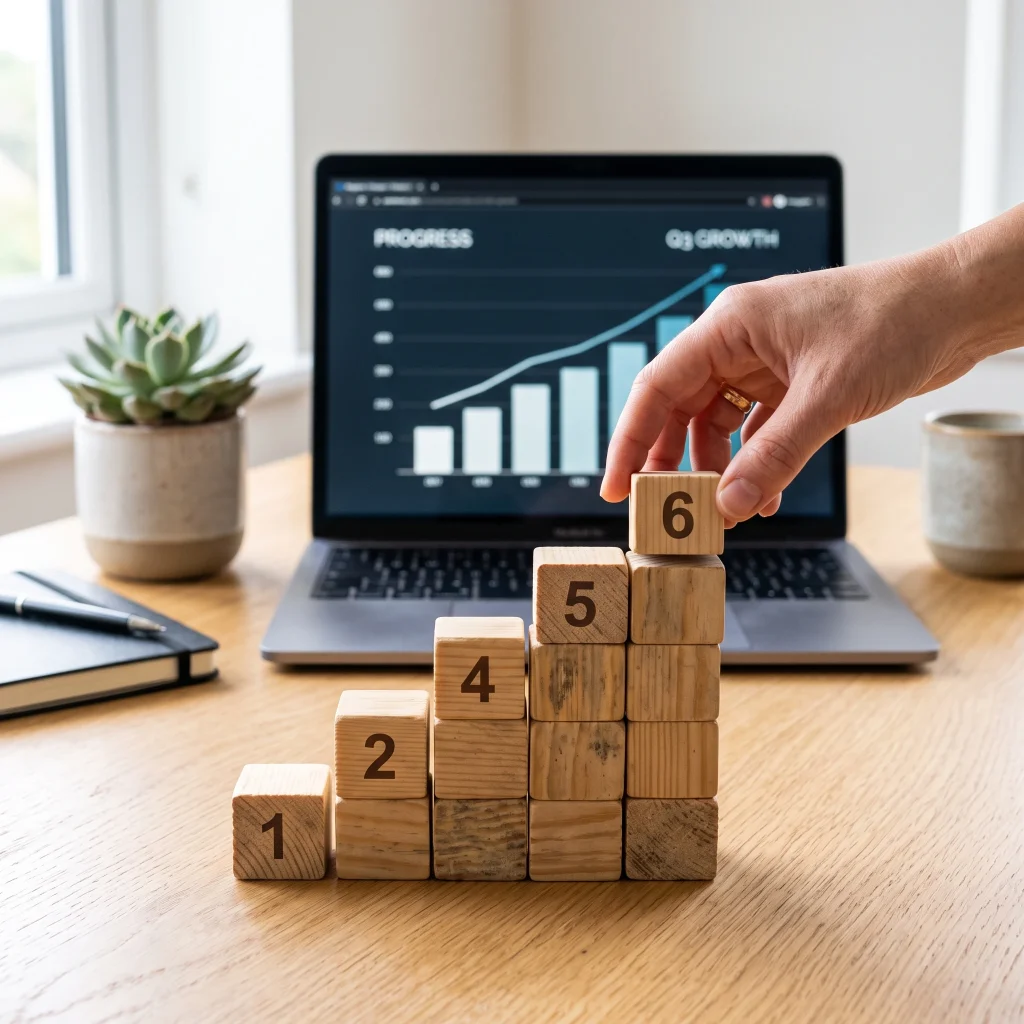
If you want to increase website traffic in 2026, you don’t need more tricks.
You need a simple strategy you can stick with — because traffic comes from consistency, not perfection.
These are the exact steps I’d follow starting from scratch today:
Choose one clear topic lane. If you bounce between topics weekly, your site feels random and takes longer for people, search engines, and AI systems to understand. For the next 30–60 days, every post should be something your ideal reader naturally wants after your last post
Build a pillar + spokes cluster. One big guide (pillar) plus smaller posts answering specific questions (spokes).
Spokes link to the pillar; the pillar links to spokes. Start with 1 pillar + 3 spokes — connected content compounds; random content doesn’t
Publish one helpful post weekly. The beginner trap is waiting for perfection. Write each post like you’re helping one beginner solve one problem, and keep the streak for 8–12 weeks — that’s when compounding starts
Repurpose and distribute. Every post becomes 3–5 smaller platform-native pieces: the main takeaway, a quick tip, a common mistake, a checklist, a “here’s what I’d do” mini plan. Match the content to the platform — video for video feeds, images for image platforms — and spread them across the week
Give every post a next step. A post that doesn’t guide the reader forward is a dead end, and dead ends don’t convert. Link to the next post in the cluster, a resource, or your Start Here page — help first, next step second
Capture owned traffic early. A simple email opt-in from day one turns one-time visitors into repeat traffic. You can build the fancy funnel later — right now you’re just capturing attention while you have it
And the mindset rule that ties it together: watching training all day feels productive, but publishing and distributing IS productive. Traffic doesn’t reward learning — it rewards output. Most beginners fail from following bad advice, not lack of effort; I made those mistakes myself and wrote up the exact affiliate marketing mistakes to avoid.
My Simple 90-Day Plan To Drive Traffic In 2026
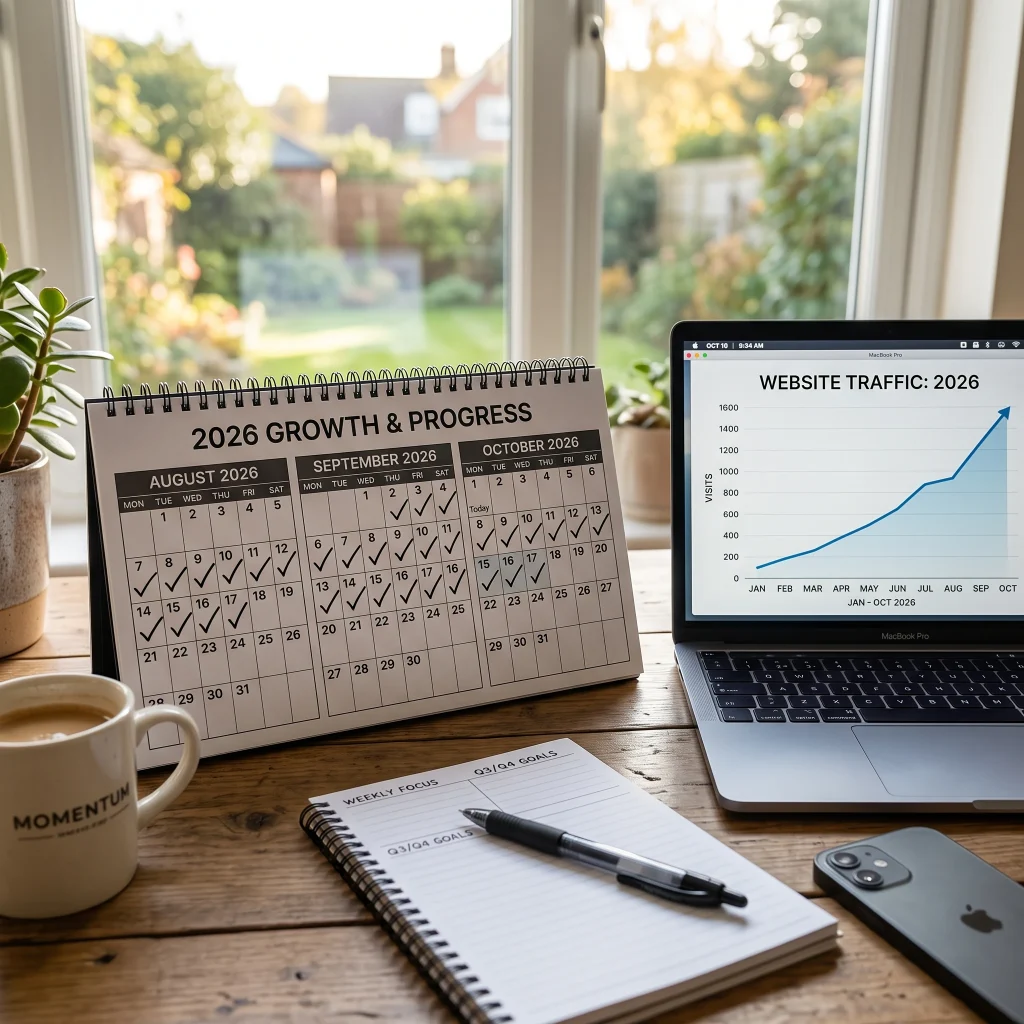
Days 1–30: Foundation + consistency. Publish 4 helpful posts (one per week), create 3–5 short pieces from each, post them on one platform, add internal links between posts, and set up a basic email signup. Goal: momentum and a repeatable rhythm.
Days 31–60: Visibility + cluster building. Publish 4 more posts, start your pillar + spokes cluster, and begin answering questions in one community — lightly, consistently. Goal: discovery while your search foundation ages.
Days 61–90: Compounding. Publish 4 more posts, tighten internal linking, improve your best post, and keep distribution consistent. Double down on whatever’s actually bringing clicks. Goal: the habit that creates long-term traffic.
Nothing complicated. Publish → distribute → capture → repeat. That’s the loop, and repetition is the entire trick.
The Training That Keeps Me Current (Beyond Google Toolkit)
When I first started, I had no roadmap.
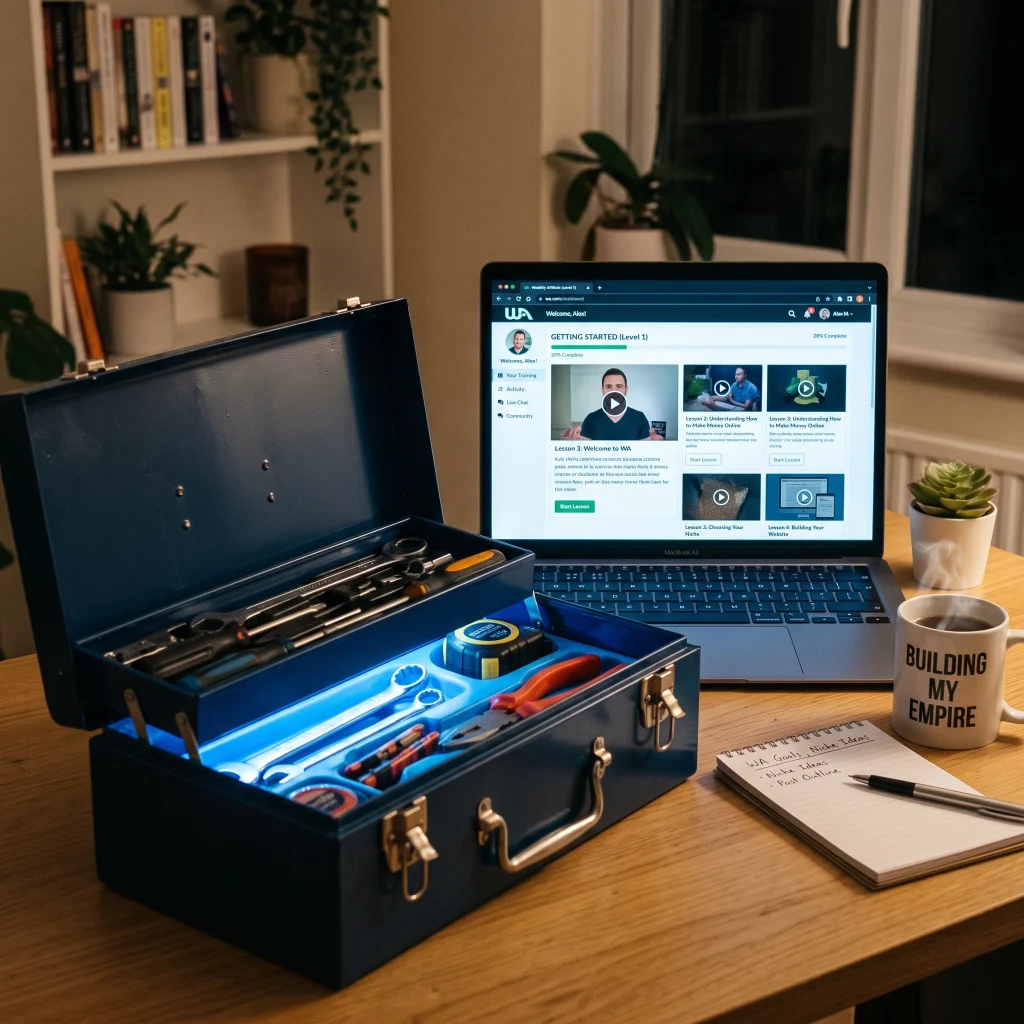
The place that finally gave me structure was Wealthy Affiliate.
And 13 years later, it’s still where I learn what’s working right now.
Why?
Because the training keeps evolving instead of sitting frozen like a course recorded years ago.
The “beyond Google” training there is the real deal in 2026.
Jay (Magistudios) ran a full case study building a brand new site from zero visitors to 10K monthly traffic in 90 days using only Pinterest.
No Google search traffic, no other social presence.
That premium class comes with a 10-part video series on Pinterest traffic in 2026, detailed Instagram training, and Kyle just wrapped a live 15-week bootcamp covering Facebook ads, social media, and modern traffic strategies.
Every member also posts daily shorts and reels sharing what’s driving traffic for them in real time.
It’s the difference between learning traffic from a textbook and learning it from a live community running the plays this week.
The Bottom Line
Driving traffic in 2026 isn’t about beating Google, chasing hacks, or jumping on every new platform. It’s about helpful, connected content plus a simple system: publish, distribute, capture, repeat. Search hasn’t disappeared — it evolved, and the creators winning now stay consistent, build authority around one clear topic, and think long-term.
You don’t need ten traffic sources. You need one home base you own, one discovery channel you’ll actually stick with, and one way to keep the audience you earn. That stack beats any algorithm change.
If you want the clean next step from here, start with the roadmap and follow it in order.
FAQ: Driving Traffic In 2026 Beyond Google
How do I drive traffic without relying on Google?
Build a visibility stack: short-form video for discovery, communities for early trust, long-form content for belief, and email for repeat visitors. Pick one distribution channel, publish consistently, and send people back to one helpful home base post with a clear next step.
What are the best alternatives to Google for traffic?
The strongest alternatives in 2026 are YouTube Shorts, Pinterest, TikTok, Instagram Reels, Facebook Groups, and online communities like Reddit and Quora. Pinterest and YouTube act like search engines themselves, which makes them the closest replacements for Google-style evergreen discovery.
How do I increase website traffic in 2026?
Pick one topic lane, build a pillar and spokes content cluster, publish one helpful post weekly, repurpose each post into 3 to 5 smaller pieces for one platform, and capture emails early. Consistency for 8 to 12 weeks is when traffic starts compounding.
Why is Google not the best option for driving traffic?
Google still works, but AI Overviews answer simple questions without clicks, rankings shift after updates, and competition keeps rising. Relying on any single platform is fragile — Google is best treated as one compounding source inside a multi-source strategy, not the whole plan.
What is the future of website traffic sources?
Traffic is becoming multi-source and AI-influenced: search engines with AI answers, video-first discovery, community trust, and owned audiences through email. The sites that win will be visible in several places at once, with content structured clearly enough for both humans and AI systems to understand.
When should I use social media for driving traffic?
From day one. Social media delivers discovery and feedback immediately while your SEO foundation takes months to mature. Use it as a traffic tool, not a diary: teach one tiny point from your post, make it self-contained, and point to one clear next step.
I hope this helped answer your questions about driving traffic in 2026. Still got questions or need a hand getting started? Leave them in the comments below, and I’ll get back to you with a detailed reply.
Until next time,
~Cheers, Your Friend, Scott~