Disclosure: Some links in this post are affiliate links, which means I may earn a commission if you sign up — at no extra cost to you. Read my full affiliate disclosure here.
Hey, it’s Scott! 👋
So you want free products showing up at your door — and maybe some cash for telling companies what you think of them.
That’s product testing, and yes, it’s real. I’ve done it.
But I’ll give you something most posts on this topic can’t: I also spent years on the other side of the product testing industry.
The side that pays.
More on that in a minute.
In this updated guide, I’ll break down what a product tester actually does, what it really pays, how to find legit gigs, and the red flags that separate real programs from scams.
No hype, no “get paid $500 to test iPhones” nonsense. Just the honest playbook.
Let’s get into it.
What’s In This Post
What Is A Product Tester?
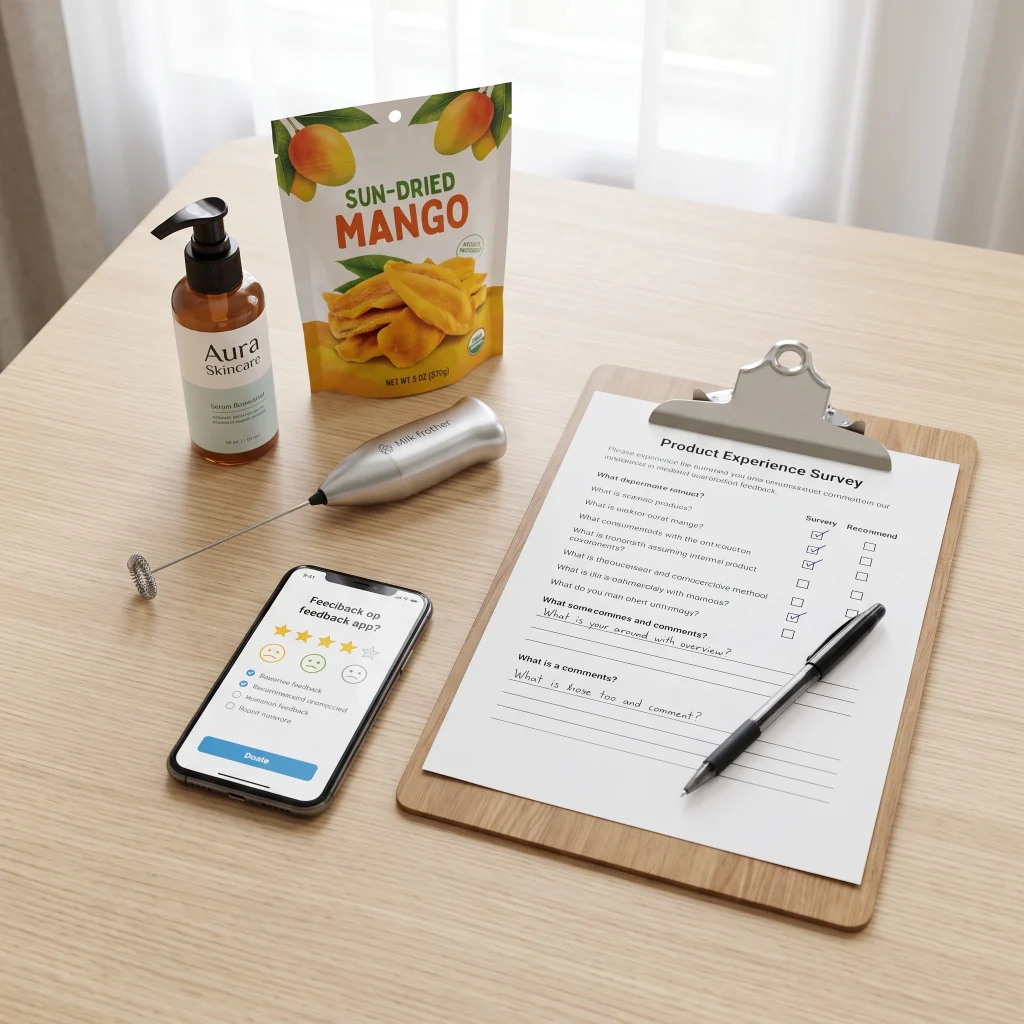
A product tester is someone that companies recruit to use their products and report back with honest feedback.
Sometimes it’s before launch — catching problems while there’s still time to fix them.
Sometimes it’s after launch — generating real-world reviews and usage data.
Either way, the deal is the same: they send the product, you use it in your normal life, and you tell them the truth about it.
The categories run wide.
Snacks, skincare, supplements, household gadgets, apps, pet products, even video games and consoles.
If it gets sold, somebody tests it first.
And here’s why companies pay for this: your feedback is cheaper than a failed launch.
A tester who catches a confusing lid design or a lotion that irritates skin saves a brand from a thousand one-star reviews.
Product testing sits inside the bigger world of getting paid for your opinion.
The same industry that runs surveys, focus groups, and research interviews.
Testing is the version where free stuff shows up at your door.
How Product Testing Actually Works
The flow is simple, and it’s basically the same everywhere:
- Sign up with a testing platform or panel — always free
- Complete your profile in detail — this is how they match products to you. A half-finished profile gets zero invites
- Get selected for a test — selection depends on your demographics matching what the brand needs
- Receive and use the product — usually for a set period, often 1–3 weeks
- Submit your feedback — surveys, written reports, sometimes photos or video
- Get compensated — you almost always keep the product, and some tests add cash or gift cards on top
The honest catch: invitations are inconsistent.
You might get three tests one month and nothing for two.
Companies need testers who match specific customer profiles, so selection is out of your hands.
The testers who get the most products are the ones registered with several platforms and keeping every profile current.
One skill separates testers who get invited back from testers who don’t: useful feedback. “It was good” helps nobody.
“The pump dispenser sticks after a week and the scent fades by midday” — that’s the feedback brands pay for.
My Real Product Testing Experience (Both Sides Of It)

Time for the real talk, because this is where most product testing posts fake it.
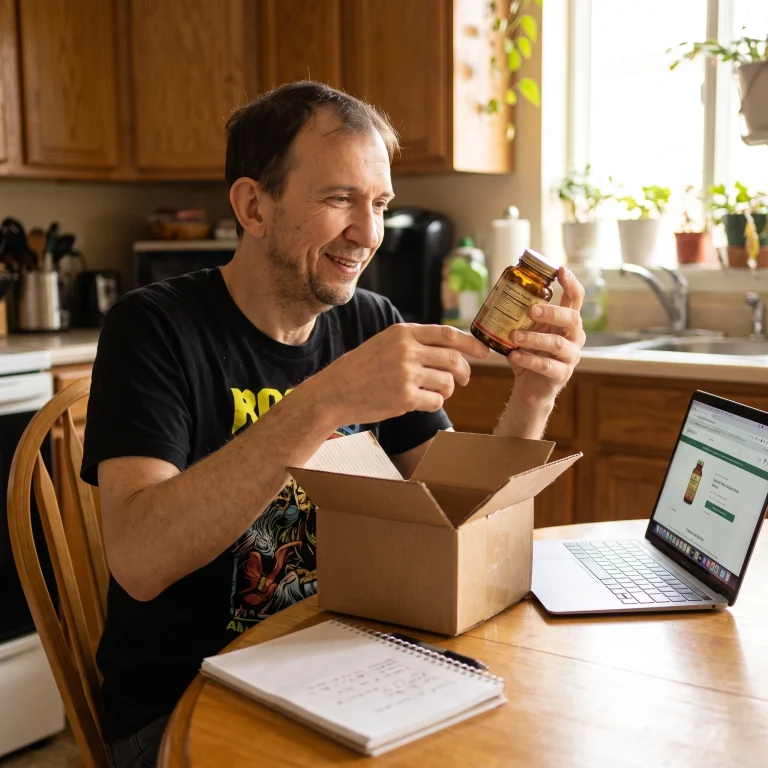
Side one: I’ve been the tester. A CBD oil company reached out and sent me their product to test and review on my website.
I got the product free, used it for real, and published my honest thoughts — what it did, what it didn’t, who it might help.
Notice something about that story, though.
The company found me — because I had a website with an audience.
That’s a lesson I’ll come back to at the end of this post, because it’s the single biggest unlock in this whole game.
Side two: I’ve been on the industry’s payout side. For years, I promoted product testing and survey programs as an affiliate through CPA networks — including big names in this space like Pinecone Research and Toluna. Those companies paid me well, on time, for years. (Pinecone has since gone downhill — I explain what changed further down.)
Why does that matter to you? Because when a company reliably pays its affiliates for years to recruit new testers, it tells you three things: the company is established, it’s funded, and it’s actually enrolling real people. Scam operations don’t survive on affiliate networks — networks kick them off the moment payouts bounce.
So when I tell you a testing panel is legit, it’s not from a press release. It’s from watching the money side of this industry function for over a decade.
And the full-transparency file: I’ve never tested gaming hardware. Getting picked to test the next PlayStation is literally the dream that got me interested in this topic back in the day. Still waiting on that email, Sony.
How Much Do Product Testers Make?
Zero-hype numbers:
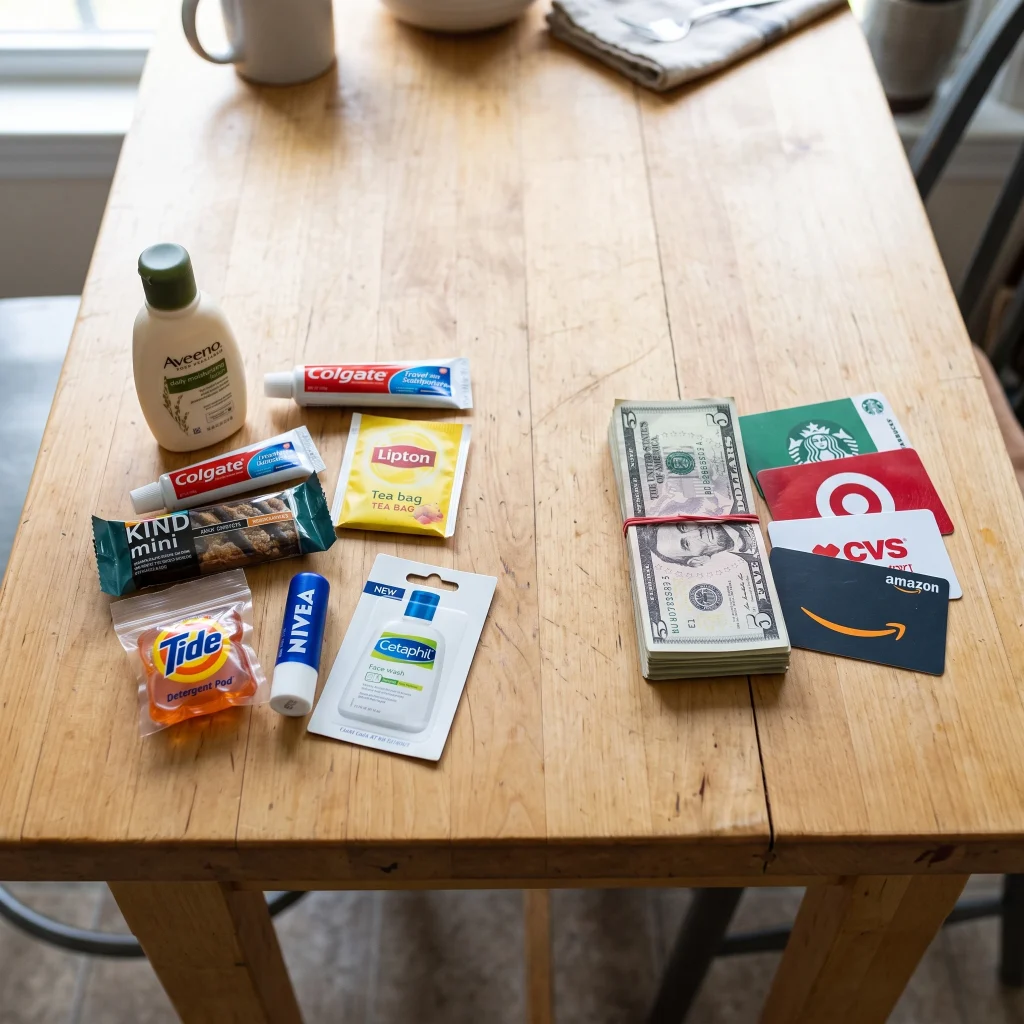
- The product itself is the main payment. You keep what you test — that’s real value, especially for pricier items
- Cash-paying tests typically run $5 to $30 per completed test with feedback
- Specialized tests pay more — digital product testing runs $10 to $120 per session, and paid research interviews can clear $400
- Realistic monthly value: $20 to $200 in combined products and cash if you’re active across several platforms
Can you make a living testing products? No. And anyone telling you otherwise is selling something.
This is free-stuff-and-pocket-money territory — a genuinely fun side hustle that fills your house with products you’d otherwise buy.
Treat it as that, and it delivers.
Expect a paycheck, and you’ll quit disappointed.
If steady side money is what you’re actually after, paid surveys are the more consistent cousin.
I broke down my whole approach in my guide to making money with online surveys, including the panels that have actually paid me — and the one I’d skip.
Want Guaranteed Money While You Wait For Test Invites?
Product test invitations come and go — surveys pay every week. PaidViewpoint has paid me for a decade and never screens you out mid-survey — every survey you start, you finish and get paid for.
Free to join. No credit card. Affiliate link — I may earn a commission at no cost to you.
How To Find Legit Gigs (And Dodge The Scams)

For every real product testing program, there are ten fakes wearing its clothes.
The good news: they all break the same rules.
Walk away instantly if a “testing opportunity”:
- Charges a fee to join. Legit programs pay YOU. Per the FTC’s scam guidance, any gig asking for money upfront is the oldest red flag there is
- Promises high incomes. “$500 to test the new iPhone” is bait, every time
- Asks for payment details or sensitive data — banking logins and Social Security numbers have no business in a tester signup
- Sends you a check before you’ve done anything. That’s the fake check scam — I nearly got burned by the mystery shopping version of it in 2012, and the full story’s in my opinion post linked above
Finding the real ones: stick to established platforms with years of history and verifiable member payouts.
Check independent review aggregators and tester communities before joining anything; real testers talk.
They open up, and they’ll tell you fast which programs deliver.
And fill out every profile completely.
I know it’s tedious. It’s also the entire difference between getting product invites and getting silence.
Product Testing Companies Worth Knowing
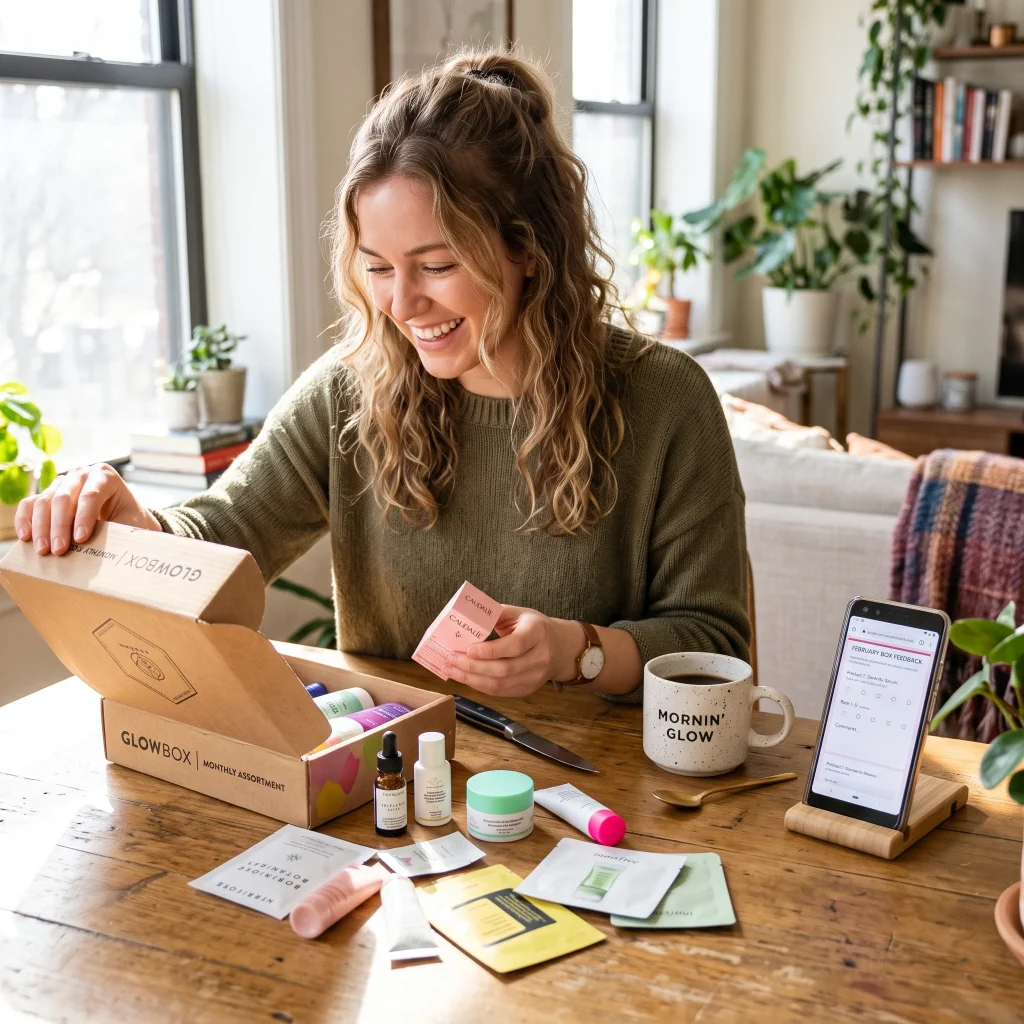
These are the names I know from watching this industry’s money side for a decade — established operations, not fly-by-nights:
Pinecone Research — an honesty update. For years this was one of the most respected panels in the business: a NielsenIQ operation with flat $3 surveys, real at-home product tests, and invite-only enrollment that kept quality high. I promoted Pinecone through CPA networks, and they paid me reliably the entire time.
Then 2025 happened. The platform rebranded, raised the minimum payout from $3 to $10, pulled PayPal for most members, and survey availability got inconsistent. It’s now sitting at a 1.4-star Trustpilot rating.
Still legit, still owned by a major corporation — but I can’t recommend it in its current form. If it recovers, I’ll say so here. Until then, the programs below are where I’d start.
Toluna — a huge global panel mixing surveys with genuine product testing across household goods, food, and tech.
Another program I promoted and got paid by for years from the affiliate side. Big, established, real.
UserTesting — the digital cousin: you test websites and apps instead of physical products. You speak your thoughts out loud while your screen records.
Around $10 per 20-minute test.
I covered it in more detail in my opinion post — it’s researched, not personally tested, so I’ll say exactly that.
Amazon Vine — the biggest product testing program on earth, and you can’t apply to it.
Amazon invites its most helpful reviewers to receive free products in exchange for honest reviews.
The path in: write genuinely useful reviews on things you already buy. Slow game, real prize.
Start with one or two, complete your profiles fully, deliver thoughtful feedback, and the invitations compound from there.
Want the full ranked list? I scored seven programs on real pay, payout speed, and how often you actually get work in my roundup of the 7 best product testing jobs in 2026 — including the one that pays cash to play unreleased games.
The Bottom Line
Product testing is real, fun, and worth doing — free products at your door in exchange for honest opinions. Keep expectations at side-hustle level, register with a few established platforms, and never pay a dime to join anything.
But remember how my best testing gig happened: the CBD company came to ME, because I had a website. That’s the pattern nobody tells you — build your own platform, and instead of applying for opportunities, opportunities start applying to you. Free products, sponsorships, and affiliate income that dwarfs anything a testing panel pays.
Building that platform is exactly what I’ve been doing since 2012, and it turned sharing my opinions into a full-time income. Here’s where I learned how.
Product Tester FAQ
Is being a product tester legit?
Yes. Product testing is a real part of the market research industry, and established panels have operated for decades. The rule that separates legit from scam: real programs are always free to join and never send payment before you’ve done any work. Anything charging a signup fee or mailing you unexpected checks is a scam.
How much do product testers get paid?
The free product is usually the main compensation, with cash-paying tests typically adding $5 to $30 each. Digital testing sessions run around $10 per 20-minute test. Active testers on multiple platforms see roughly $20 to $200 per month in combined product and cash value. It’s a side hustle, not an income.
Do product testers keep the products?
Almost always, yes. Once you’ve submitted your feedback, the product is yours — returning items isn’t practical for companies. Rare exceptions exist for expensive prototypes, and those tests state the return requirement upfront before you accept.
How do I become a product tester with no experience?
No experience is required — companies want regular consumers, not experts. Sign up free with established platforms, complete every profile question in detail, and respond quickly when test invitations arrive. Detailed, honest feedback on your first tests earns you more invitations over time.
Does Amazon have a product testing program?
Yes — Amazon Vine, the largest product testing program in the world. It’s invitation-only: Amazon invites reviewers whose reviews other customers consistently rate as helpful. You can’t apply directly. The path in is writing genuinely useful reviews on products you already own.
Still got questions about becoming a product tester? Drop them in the comments below — I read and reply to every one.
Until next time,
~Cheers, Your Friend, Scott~